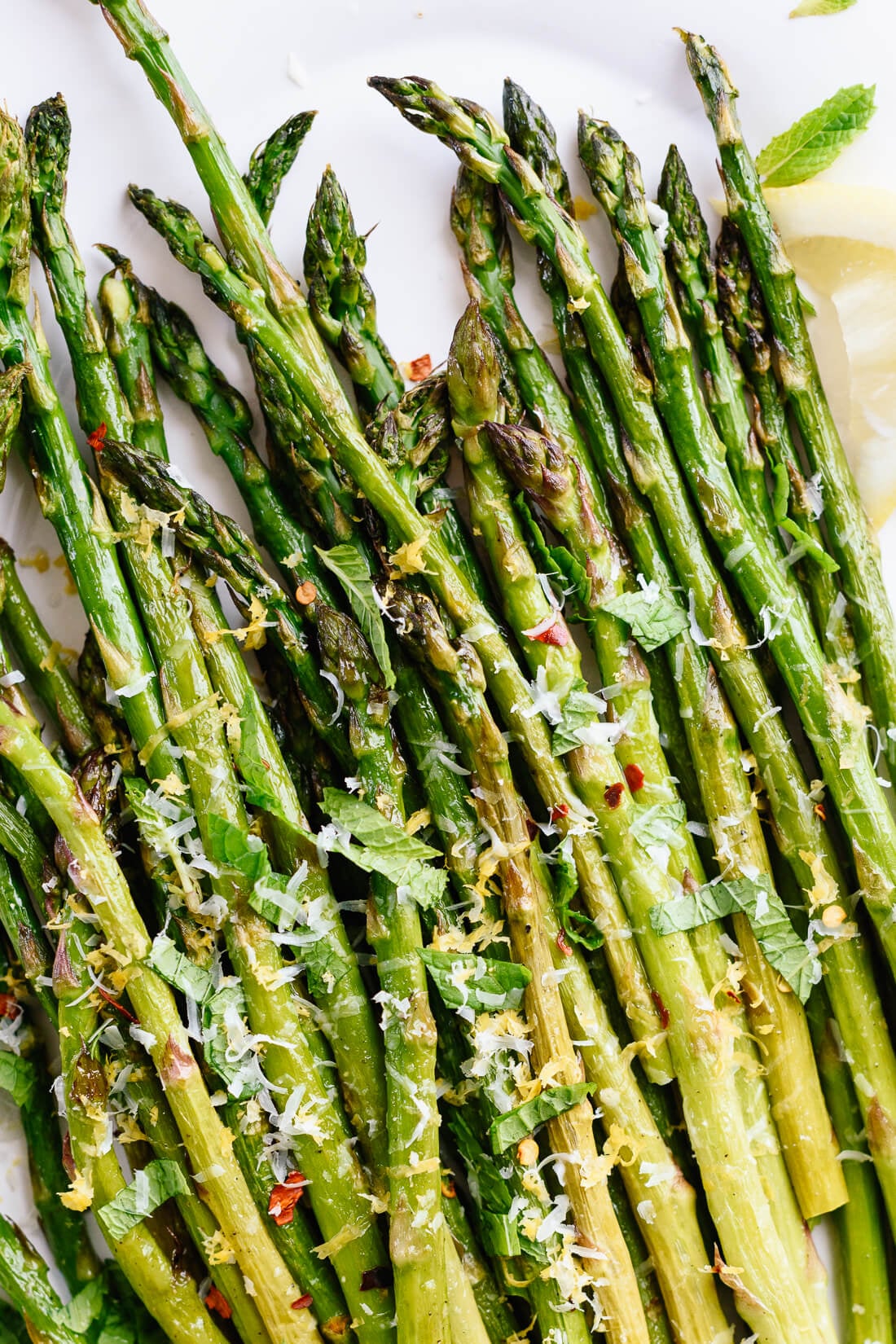
Master Perfect Roasted Asparagus: Tips for Tender, Crispy Spears
As spring breathes new life into our gardens and farmers' markets, one vibrant green spear consistently steals the spotlight: asparagus. While this versatile vegetable can be steamed, sautéed, or grilled, there's an undeniable magic that happens when it meets the high heat of your oven. A truly perfect roasted asparagus recipe transforms humble stalks into tender, juicy spears with irresistibly frizzled, crispy tips – a side dish so delightful, you might find yourself sneaking a few straight off the pan.
This guide will walk you through everything you need to know to achieve that elusive perfection every time, from selecting the best spears to mastering the roasting process and unleashing a burst of flavor. Forget mushy or stringy asparagus; we're aiming for that ideal fork-tender interior and a beautifully caramelized exterior that makes roasted asparagus a springtime essential and a year-round favorite.
The Art of Perfectly Roasted Asparagus: Why Roasting Reigns Supreme
Why choose roasting over other cooking methods for asparagus? The answer lies in the intense, dry heat of the oven. Unlike steaming, which can sometimes leave asparagus watery, or sautéing, which might not achieve uniform browning, roasting concentrates the asparagus's natural sugars, deepening its flavor profile. It coaxes out a delicate nutty sweetness and creates that coveted textural contrast: a succulent, tender body with wonderfully browned, slightly charred tips that add a delightful crispness.
Beyond its superior texture and taste, a good roasted asparagus recipe is incredibly easy to prepare and remarkably quick. It typically requires only 10 to 15 minutes of bake time, making it an ideal candidate for a speedy weeknight side or a last-minute addition to a holiday spread. No complicated techniques, no endless stirring – just a few simple steps stand between you and a truly exquisite vegetable dish.
Mastering the Trim: No More Woody Ends
Before you even think about seasoning, the most crucial first step in preparing asparagus is proper trimming. Have you ever encountered a mouthful of asparagus that was tough, fibrous, and endlessly chewy? That's the woody end, and it's best left off your plate. These thick, pale green sections are too high in fiber to be palatable, and removing them ensures every bite is pure enjoyment.
There are two primary methods for trimming asparagus:
1.
The Snap Method: This is often considered the most intuitive approach. Hold an individual asparagus spear firmly by its thick, cut end. Gently bend the spear until it naturally snaps. It will break at the precise point where the tough, fibrous portion transitions into the tender, edible part. Repeat this process for each spear. This method is excellent for beginners and ensures you're only keeping the good stuff.
2.
The Knife Method: For those who prefer a more uniform look or are preparing a large batch, the knife method is efficient. Lay your asparagus stalks flat on a cutting board, aligning the tips in the same direction. Observe where the stalk visually changes from a thicker, paler, almost woody texture to a more vibrant green and thinner, crispier texture. Use a sharp knife to trim off 1 to 3 inches from the thick ends of all spears simultaneously. This method can save time, but requires a little practice to identify the right cutting point.
Whichever method you choose, remember to give your trimmed spears a good rinse under cold water to remove any lingering dirt or grit before moving on to seasoning. And don't toss those woody ends! While not ideal for eating, they can be a fantastic addition to vegetable stocks or broths, lending a subtle earthy flavor.
Seasoning for Success: Elevating Your Roasted Asparagus
Once trimmed and rinsed, your asparagus is a blank canvas, ready to absorb flavor. The foundation of any great roasted asparagus recipe begins with simple yet essential ingredients:
*
Olive Oil: A generous drizzle of good quality extra virgin olive oil is crucial. It helps the asparagus cook evenly, promotes browning and crisping, and carries the flavors of your seasonings.
*
Salt: A sprinkle of sea salt or kosher salt is non-negotiable. Salt enhances asparagus's natural sweetness and savory notes, bringing out its best flavor.
*
Black Pepper: Freshly ground black pepper adds a subtle kick and aromatic depth.
After drizzling with oil and seasoning with salt and pepper, toss the asparagus directly on a large rimmed baking sheet (lined with parchment paper for easy cleanup and to prevent sticking) to ensure every spear is evenly coated. Then, spread the asparagus in a single layer. This is a critical step! Overcrowding the pan will cause the asparagus to steam rather than roast, preventing that beautiful browning and crispiness. Give those spears some breathing room.
Now, for the fun part: elevating your asparagus beyond the basics. Here are some fantastic additions you can incorporate before or after roasting:
*
Garlic: Minced fresh garlic, garlic powder, or even thinly sliced garlic can be tossed with the asparagus and oil for a savory punch.
*
Lemon: A squeeze of fresh lemon juice or a sprinkle of lemon zest after roasting adds a bright, zesty finish that perfectly complements asparagus.
*
Parmesan Cheese: For a cheesy, savory crust, toss the spears with grated Parmesan before roasting. The cheese will melt and slightly crisp up, creating irresistible savory bits.
*
Fresh Herbs: Delicate herbs like dill, parsley, chives, or thyme are best added after the asparagus comes out of the oven to preserve their vibrant flavor and color.
*
Red Pepper Flakes: For a touch of heat, sprinkle a pinch of red pepper flakes over the spears before roasting.
*
Balsamic Glaze: A drizzle of rich balsamic glaze just before serving adds a sweet and tangy complexity.
Timing is Everything: Achieving Fork-Tender Perfection
The oven temperature is key for optimal roasting:
425°F (220°C). This high heat ensures that the asparagus cooks quickly, tenderizing the interior while allowing the exterior to brown beautifully.
The total roasting time for your asparagus will largely depend on the thickness of the spears. While 10 to 15 minutes is a good general guideline, it’s essential to pay attention to your specific batch:
*
Very Thin Asparagus: These delicate spears cook quickly. Start checking for doneness around 8 minutes to prevent them from becoming overcooked and limp. They might only need 8-10 minutes.
*
Medium Asparagus: Most commonly found spears will be perfectly tender in 10-15 minutes.
*
Thicker Asparagus: Heartier spears require a bit more time. They might take anywhere from 15 to 20 minutes to reach ideal tenderness.
How do you know when your roasted asparagus is ready? Look for these signs:
*
Fork-Tender: A fork should easily pierce the thickest part of a spear without resistance.
*
Lightly Browned: The tips should be slightly frizzled and crispy, and the stalks might have some golden-brown spots.
*
Vibrant Green: The spears should maintain their bright green color, not turn dull or grayish, which indicates overcooking.
When in doubt, it’s always better to slightly undercook asparagus than to overcook it. Undercooked asparagus can be popped back into the oven for a few more minutes, but overcooked asparagus turns mushy and stringy, losing its desirable texture. A quick taste test of a spear is often the best way to confirm perfection!
Beyond the Basics: Creative Serving Ideas & Pairings
While perfectly roasted asparagus is undeniably delicious on its own, its versatility makes it an excellent addition to countless meals. Here are some ideas to inspire your culinary creations:
*
Classic Side Dish: It's the ultimate accompaniment to almost any protein, from grilled salmon and roasted chicken to seared steak or a simple fried egg.
*
Brunch Delight: Serve alongside quiches, frittatas, or scrambled eggs for an elegant and healthy breakfast or brunch spread.
*
Salad Booster: Chop cooled roasted asparagus and add it to green salads, pasta salads, or grain bowls for added texture and nutrients.
*
Appetizer Star: Wrap roasted spears in prosciutto for a simple yet impressive appetizer, or serve them on a platter with a dipping sauce like hollandaise or a creamy aioli.
*
Pasta Perfection: Toss roasted asparagus with pasta, a light sauce (like lemon-garlic butter), cherry tomatoes, and a sprinkle of Parmesan for a quick and satisfying vegetarian meal.
*
Pizza Topping: Add chopped roasted asparagus to homemade pizzas for a fresh, seasonal twist.
Don't be afraid to experiment with your roasted asparagus recipe. For an even quicker weeknight option, check out our
Easy Oven Roasted Asparagus: Perfect Spring Side in 15 Minutes. Or to explore more depth in seasonal flavors, dive into
Spring's Best Side Dish: Flavorful Roasted Asparagus Recipe for additional ideas.
The Promise of Perfection
Mastering the art of perfectly roasted asparagus is a truly rewarding culinary skill. With just a few simple techniques – proper trimming, strategic seasoning, and precise timing – you can consistently achieve spears that are tender, juicy, and crowned with those irresistible crispy tips. This simple roasted asparagus recipe is more than just a side dish; it's a celebration of spring's bounty, a versatile culinary chameleon, and a testament to how effortless healthy, delicious eating can be. So, next time asparagus season rolls around, or you simply crave a vibrant, flavorful vegetable, turn to your oven and prepare to be delighted. Enjoy!